Beautiful skin is biology. Biology responds to light.
No mystique, no miracle language. Here is what light actually does in skin, which wavelengths matter, and how we turned decades of research into devices you can trust in your bathroom.
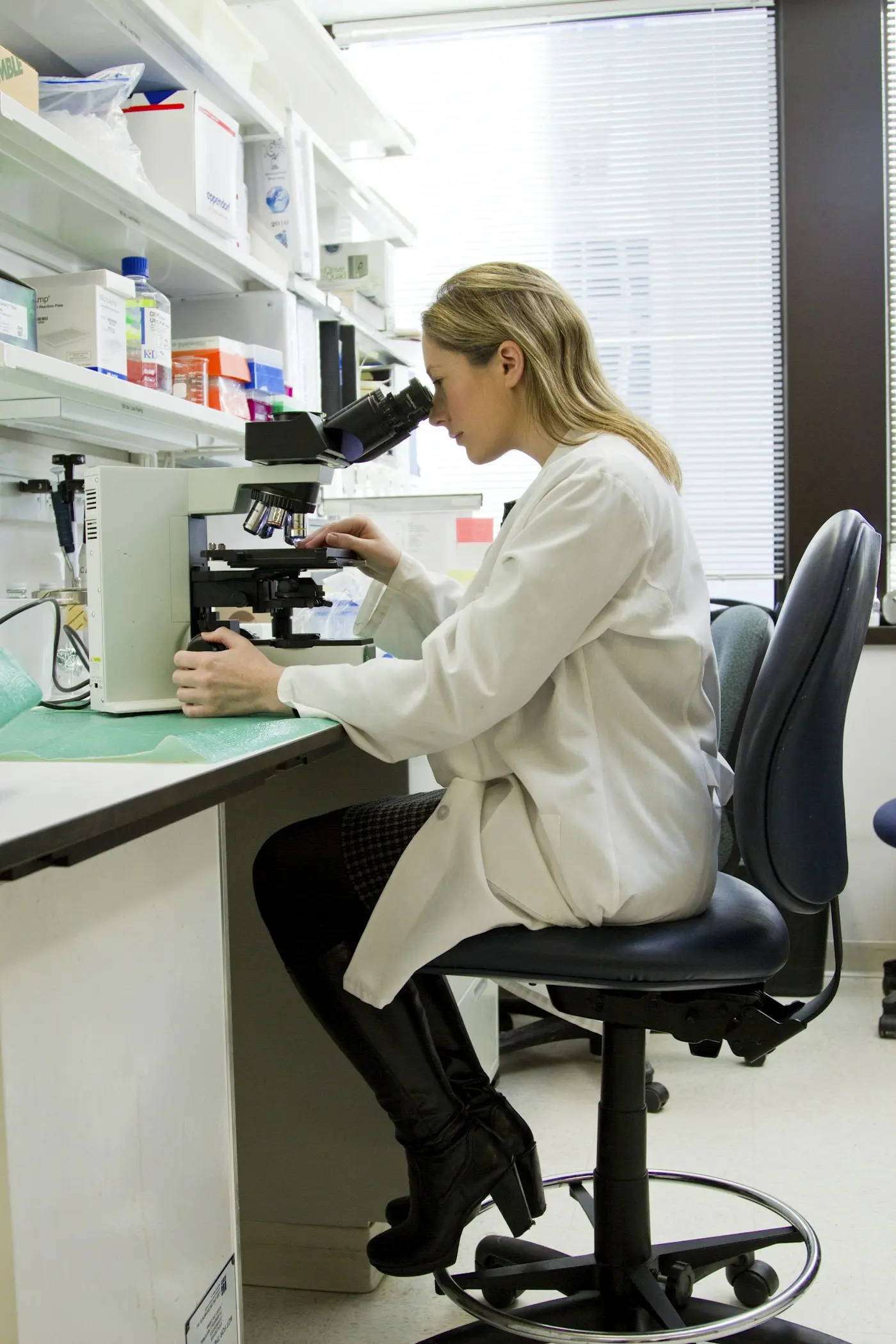
Photobiomodulation, in plain words
Your skin cells contain structures that absorb certain wavelengths of light, much the way plants absorb sunlight. When light in the right range reaches them, it can influence cellular energy production and signaling. Researchers call this photobiomodulation, and it has been studied in dermatology literature for decades, originally growing out of NASA research into wound healing.
The practical translation: regular, low intensity exposure to specific red, amber and near infrared wavelengths has been associated in published studies with improvements in the visible signs we all care about, including the look of firmness, evenness of tone and general skin comfort.
It is not magic and it is not instant. It is a gentle nudge to processes your skin already runs, repeated daily until the results become visible in the mirror.
Not all light is equal. Wavelength is everything.
Every Velárya device is built around wavelengths chosen from the ranges most studied in skin research. Here is what each one is for, and where it lives in our collection.
Brightening and tone
Amber light works closest to the surface, where uneven tone and dullness live. In the Halo and Aura it is our morning wavelength, chosen to support a fresher, more even looking complexion.
Firmness and elasticity
Red light around 633nm is the most researched wavelength in LED skincare, associated with support for the structures behind the look of firm, springy skin. It is the backbone of the Halo, the Aura and the light points in the Mist.
Calm and recovery
Invisible to the eye, near infrared light penetrates furthest into skin. Research links this range to support for comfort and recovery, which is why the Halo's calm mode leans on it for evenings and post sun days.
A different job entirely
The Nova uses intense pulsed light, brief broad spectrum flashes absorbed by pigment in the hair follicle. Absorbed energy converts to heat, which disrupts the follicle's growth cycle and reduces regrowth over repeated sessions. Same family of physics, completely different purpose.

What "clinically inspired" means to us
Plenty of brands borrow the language of medicine without the discipline of it. We hold ourselves to three commitments instead.
- Real wavelengths, verified. Every production batch is spectrometer tested to confirm output within 5nm of specification. A mask that claims 633nm and delivers 660nm is a different product.
- Meaningful dose. Light therapy only works above a minimum energy threshold. Our session times and LED densities are set so a ten minute session delivers a dose consistent with the ranges used in published research, not a token glow.
- Honest claims. We say "supports the look of" because that is what home devices honestly do. Any brand promising to erase, cure or reverse should earn your skepticism.

Botanicals chosen like ingredients, not marketing
The Elixir exists because light therapy and plant oils are natural partners: a session leaves skin warm and receptive, and the right lipids seal that moment in. Each botanical in the blend earns its line on the label.
Squalane mirrors lipids your skin already makes, so it absorbs without residue. Jojoba is technically a wax ester, closer to human sebum than any true oil, which is why it balances rather than clogs. Eucalyptus leaf brings a clean botanical note and a refreshed scalp feel in the Mist. Rosehip contributes naturally occurring vitamin A relatives in gentle, plant given proportions.
Cold pressed, small batch, dated by hand, bottled in UV protective glass. If a batch does not pass our stability and freshness checks, it does not ship. It becomes very well moisturized office hands instead.
Read this part. We mean it.
No UV, ever
Our LED devices emit zero ultraviolet light. They will not tan you, and they carry none of the risks of sun exposure or tanning beds. The Nova's flashes are UV filtered by design.
Built in guardrails
Auto shutoff on every timed device. A skin tone sensor on the Nova that limits or blocks flashes outside safe settings. Eye safe LED intensities on the Aura, tuned specifically for the orbital area.
Know when to ask first
Taking photosensitizing medication, pregnant, or managing a light sensitive condition? Talk to your physician before starting. The Nova should never be used over tattoos, moles or broken skin. When in doubt, call us; we would rather lose a sale than your trust.
Asked often, answered honestly
What is photobiomodulation?
Photobiomodulation is the use of specific, non UV wavelengths of light to influence cellular activity in the skin. In dermatology research, red, amber and near infrared light have been studied for decades for their support of processes related to skin firmness, tone and comfort. It is the science underneath every LED device worth owning.
Is LED light therapy the same as tanning or UV light?
No. LED devices like the Halo use visible red and amber light plus near infrared. They emit no UV, do not tan skin and carry none of the risks associated with UV exposure. If your device warms your skin noticeably or changes its color the same day, that is not photobiomodulation.
How is pulsed light hair removal different from LED therapy?
They are cousins, not twins. LED therapy uses continuous, low intensity light to gently support skin processes over weeks. Intense pulsed light, used in the Nova, delivers brief high energy flashes absorbed by pigment in the hair follicle, converting to heat that disrupts regrowth. One is a daily nudge, the other a weekly intervention.
How often should I use light therapy?
Consistency beats intensity every time. We recommend ten minute daily sessions with the Halo, fifteen minutes three to five evenings a week with the Aura, and weekly Nova sessions for eight weeks followed by monthly maintenance. Doubling up does not double results; skin responds to rhythm.
Can I trust home devices compared to professional treatments?
Professional panels are more powerful per session, and a good dermatologist is irreplaceable for medical concerns. What home devices offer is the variable clinics cannot: daily consistency over months, at a fraction of the lifetime cost. The published research on home LED use is built on exactly that pattern of regular low dose exposure.
Curious about something we did not cover? Ask us directly, and we will answer in plain language, sources included on request.

You understand the science. Now feel it work.
Sixty days at home is the only study that matters for your skin. Every Velárya order includes one.